Downloadable Content
Brochures & Flyers
BlueFin Pipeline, Process & Industrial Pocket Guide
Expertise in controlled bolting allows measurement and monitoring vital for joint integrity
BlueFin’s Water Treatment & Filtration
BlueFin’s Inline Isolation Tool
BlueFin’s Cold Cutting & Field Machining
BlueFin’s Spark Free Tooling
BlueFin’s System Filtration
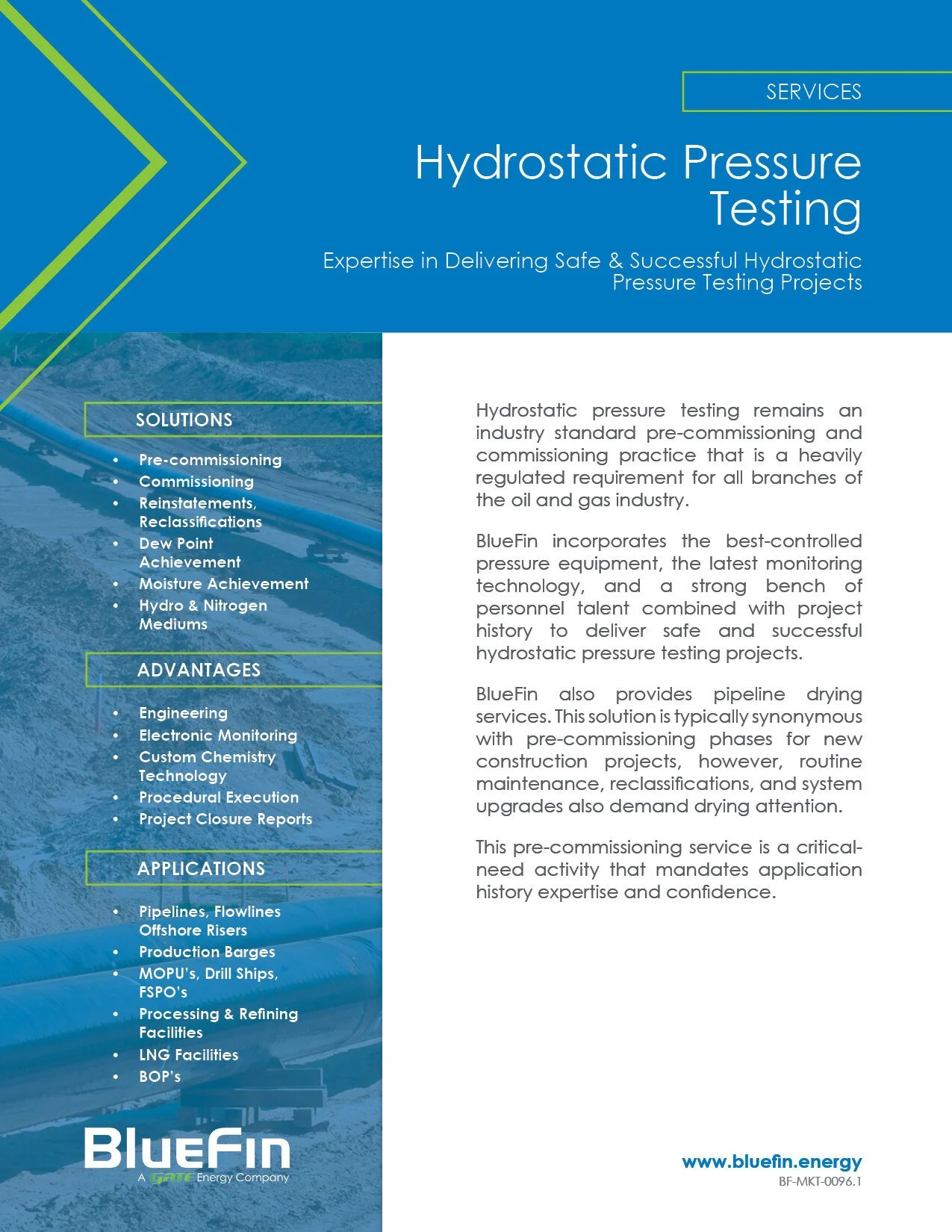
BlueFin’s Hydrostatic Pressure Testing
BlueFin’s Nitrogen Services
BlueFin’s Flow Assurance & Pipeline Cleaning
BlueFin’s Pipeline Deposit Mapping
BlueFin’s Pipeline Pigging
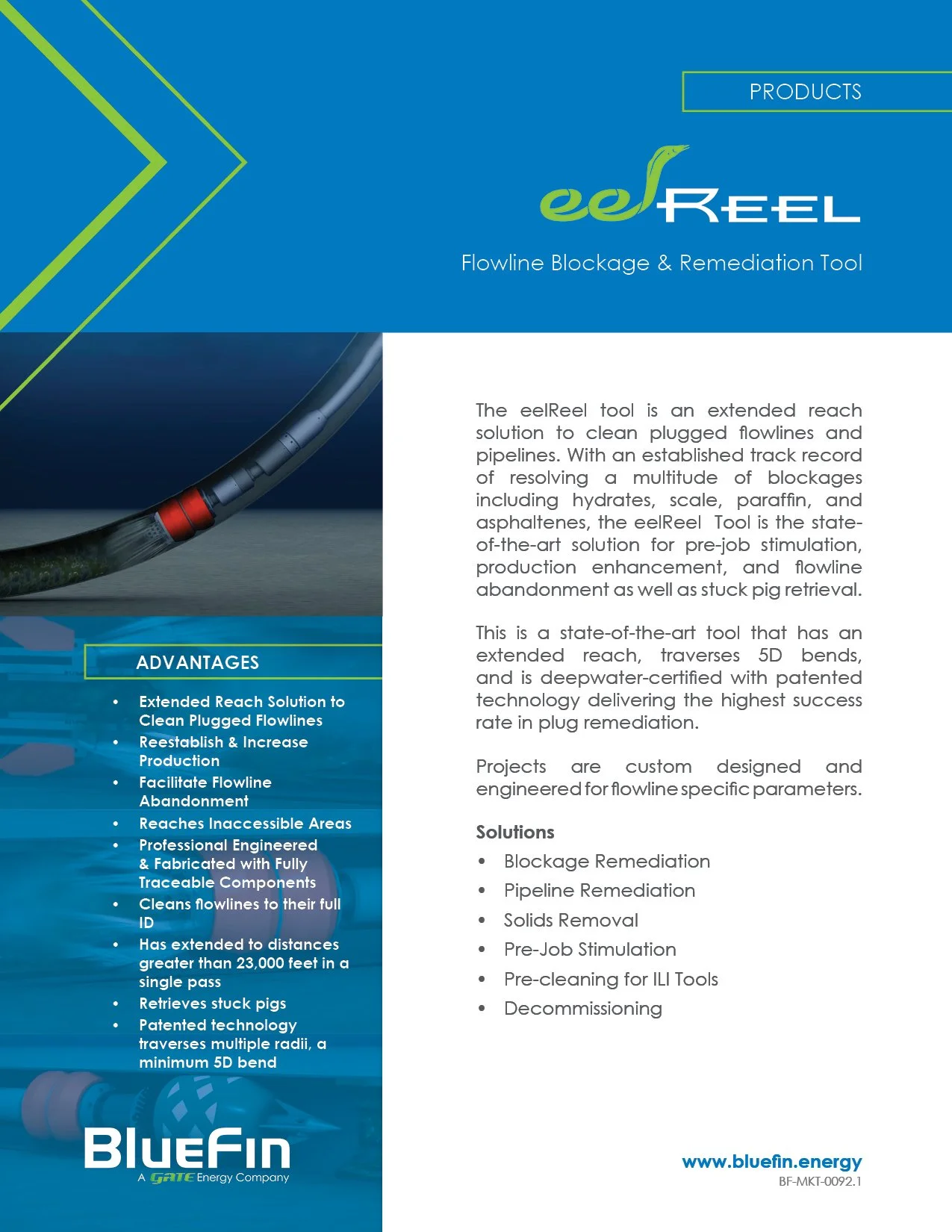
Flowline blockage and remediation tool
BlueFin’s mechanical approach to solving deposit and blockage challenges
BlueFin’s Adaptable, Unstickable Pig
Patented, Controlled Cleaning & Recoverable Jet Pig
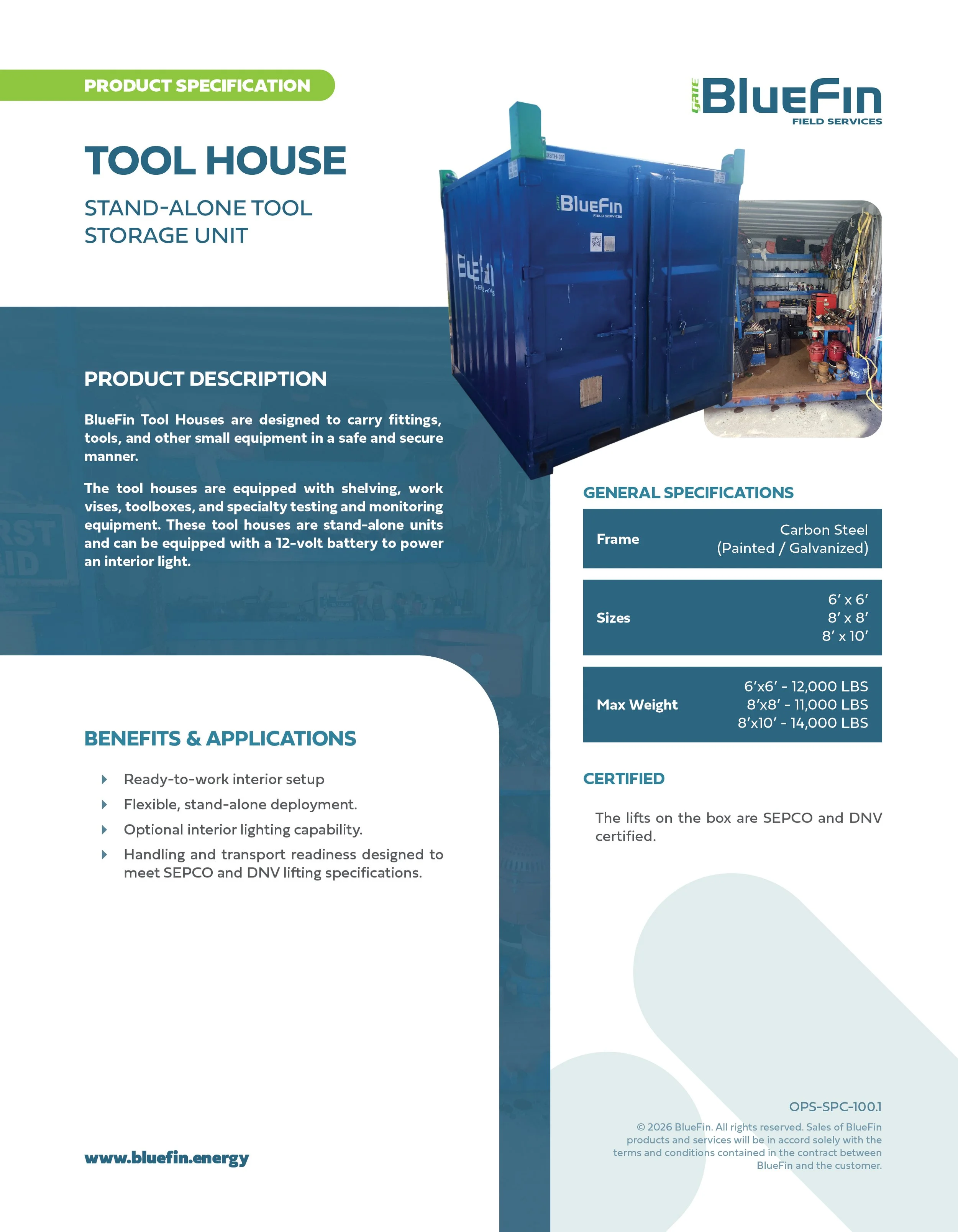
Stand‑Alone Tool Storage Unit
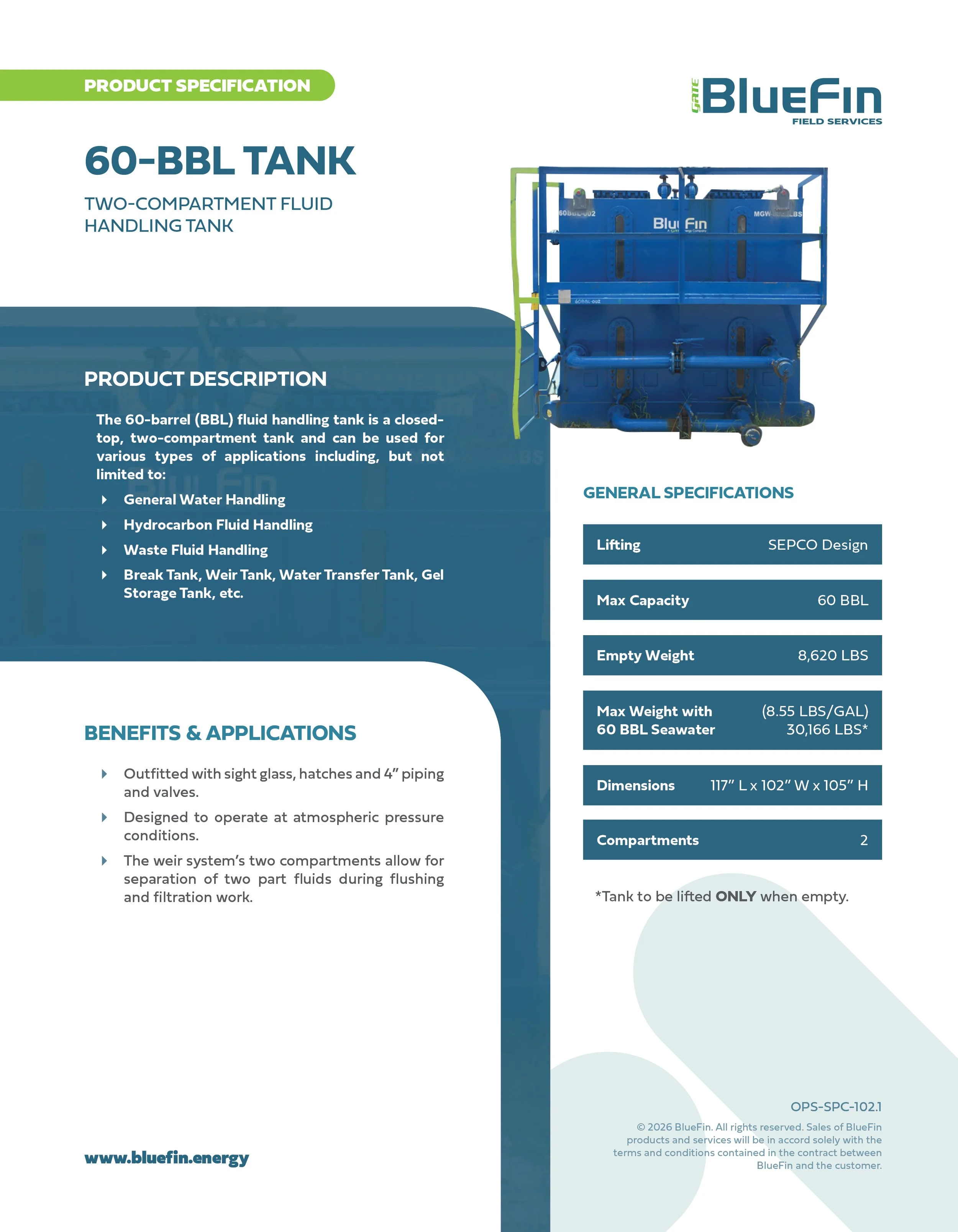
Two‑Compartment Fluid Handling Tank
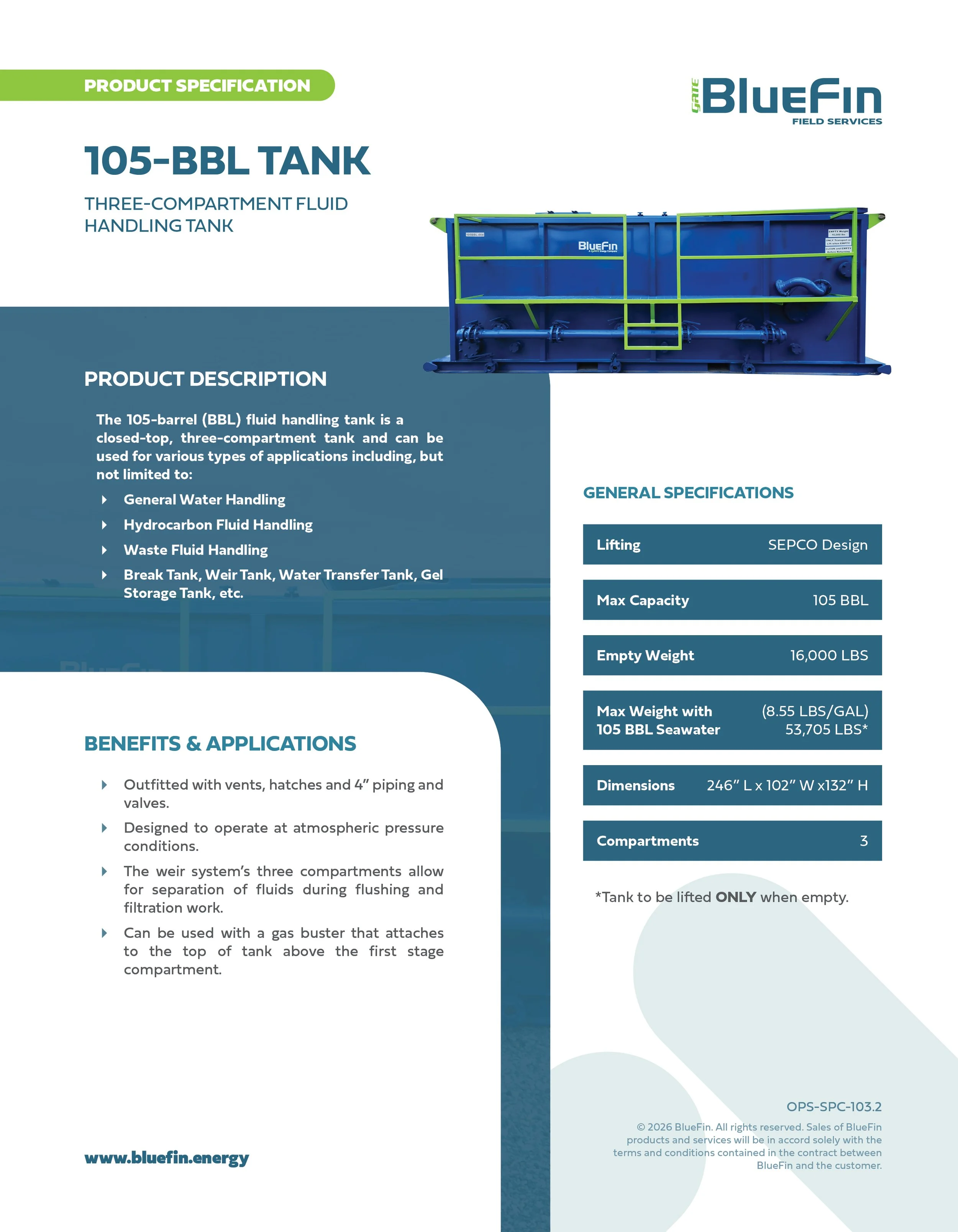
Three-Compartment Fluid Handling Tank
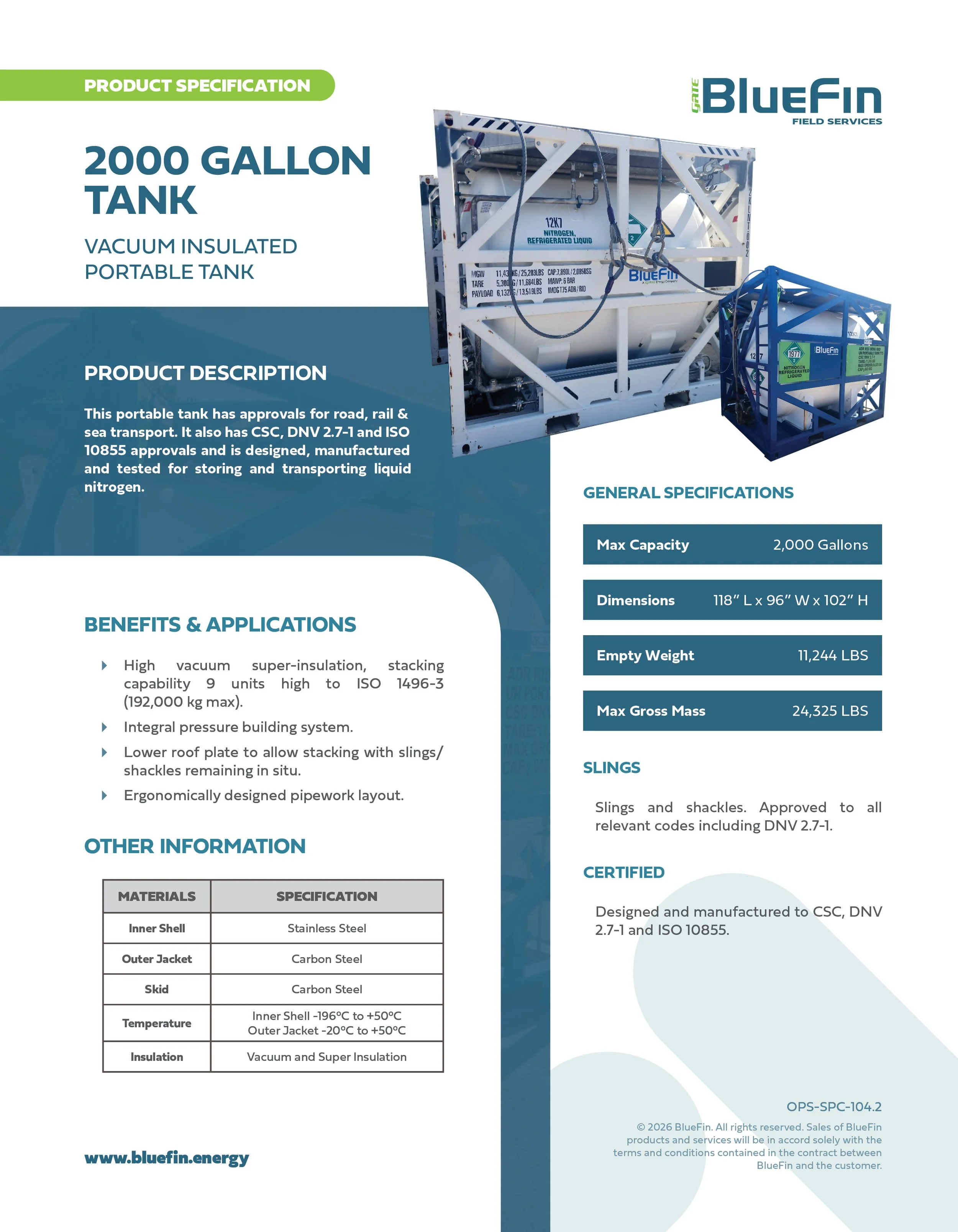
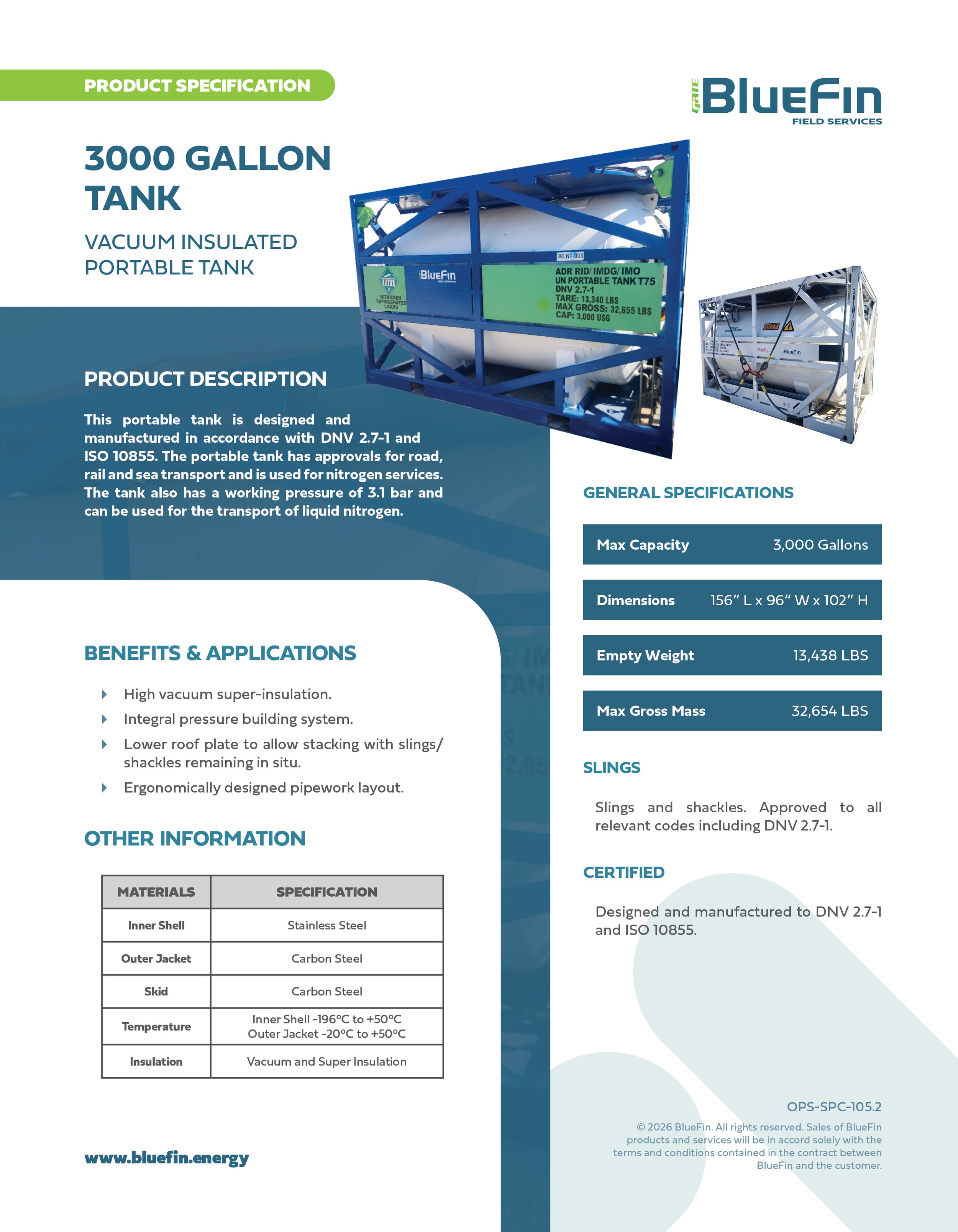
Vacuum Insulated Portable Tank
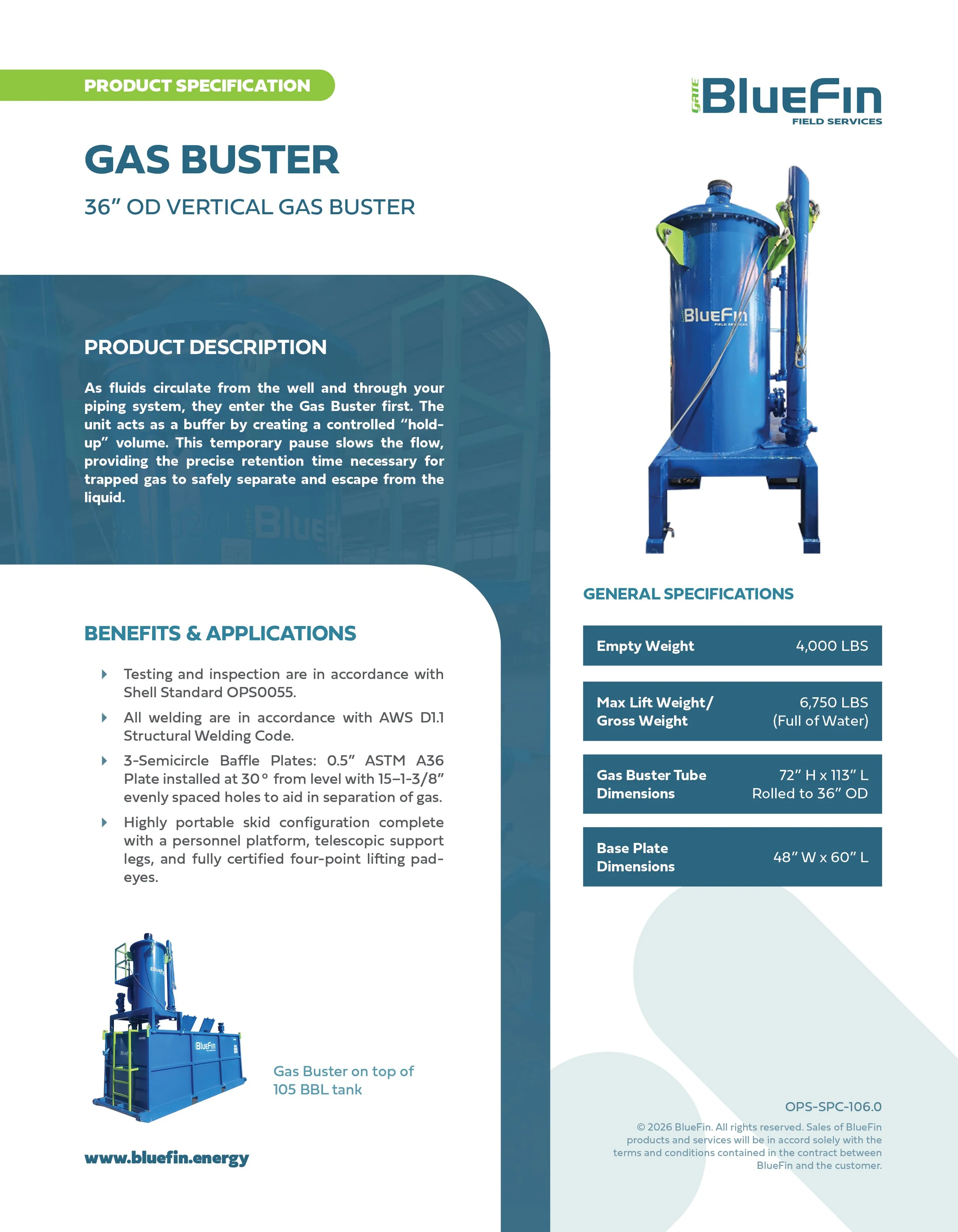
36” OD Vertical Gas Buster
Diesel Driven Jet Pump
Diesel Driven Triplex Pump
Diesel Driven Centrifugal Pump
Self-Contained Nitrogen Pumping Skid
Case Studies
GATE was engaged to evaluate the current condition and remaining life of the subsea jumpers and flowline of a deepwater oil and gas facility in the Gulf of Mexico.
The subsea field, which was comprised of multiple oil wells, was produced at a Tension Leg Platform (TLP) with a nominal capacity to produce 100,000 barrels of oil and 50 million cubic feet of gas per day. The subsea and topsides facilities were designed to operate with an expected maximum carbon dioxide (CO2) concentration of 0.15 mole percent from any given producing well.
Technical Articles & E-Books
So your pipe burst, your pump shaft snapped, or your welded joint split, and you need to figure out why and how to fix it. The next steps you take can make the difference between finding answers and leaving the mystery unsolved until the next failure.
We have many options for conducting root cause analyses (RCA) including TapRooT™ and CAST/STPA. The method described here is the method developed by GATE to simplify the analysis while maintaining adequate rigor.
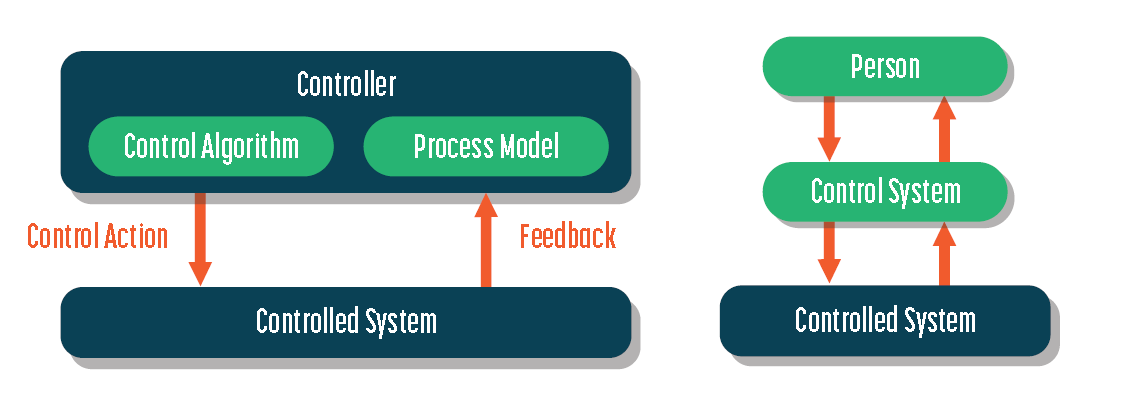
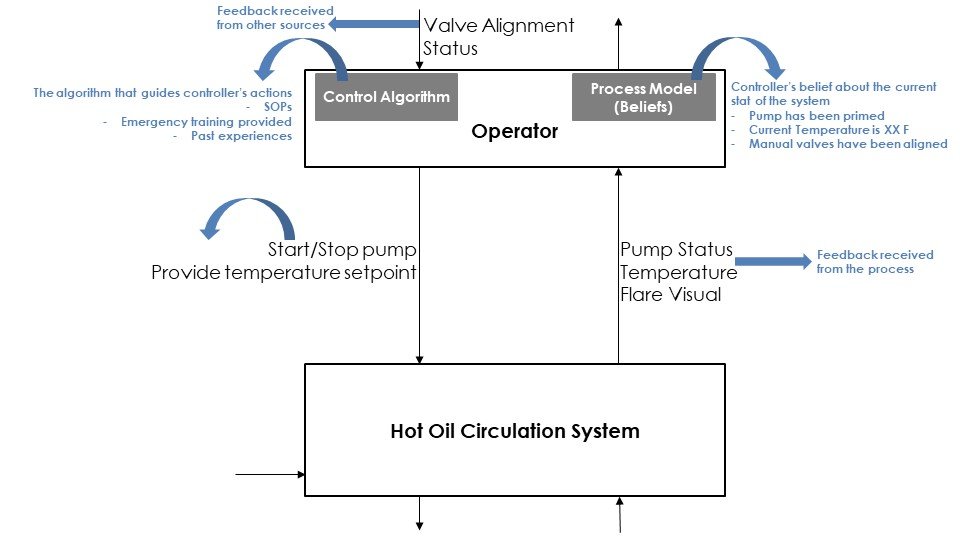
Systems Theoretic Process Analysis (STPA) is a systems approach to hazard analysis. It is based on the premise that accidents happen when we lose control. They are a control problem, not a failure problem.
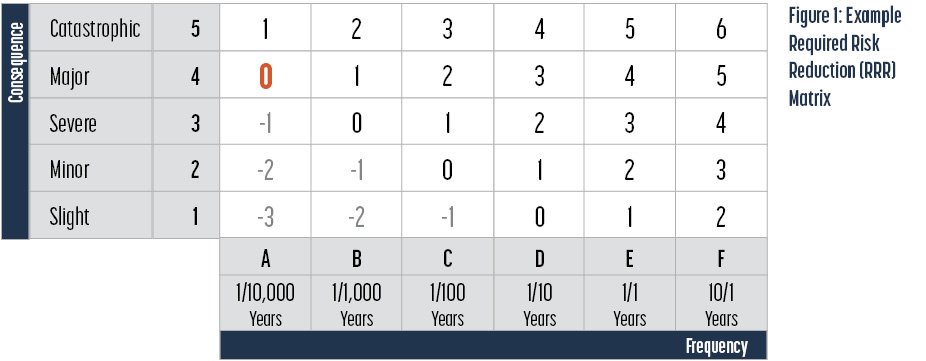
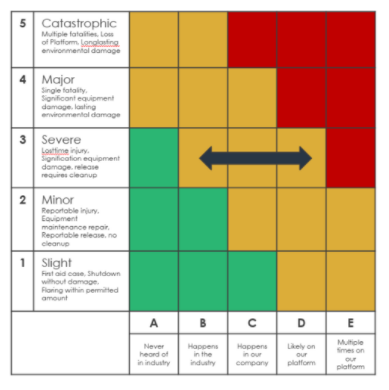
The GATE approach to risk ranking makes risk assessment easier, more accurate and more repeatable by incorporating LOPA insights into the risk matrix approach.
HAZOP is the most commonly applied process hazard analysis (PHA) methodology in the processing industries. It is also the most flawed!
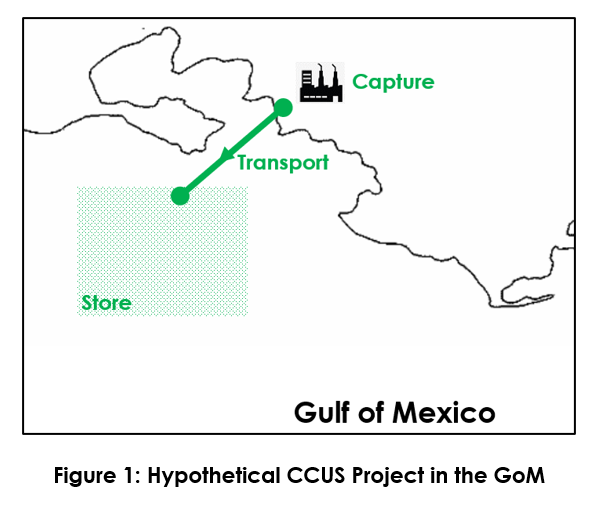
This article discusses high-level technical considerations when refitting an existing offshore infrastructure for CCUS applications.
Energy is changing. Because of the increasing threat of the consequences of a warming planet, new sources of energy are being developed that are expected to slow this planet-wide change. Some of these are well-known, such as nuclear, wind and solar, while others require more work, such as hydrogen, 3rd generation concentrated solar and fusion.
The overall aim of carbon capture and sequestration (CCS) is to store carbon dioxide (CO2) in geological formations in order to reduce the amount in the environment and lower the risk of catastrophic climate change. The rate of CO2 emission and the amount of it in the atmosphere has been increasing steadily since the beginning of the Industrial Revolution in the early part of the 19th century.
There are several developments in the area of electrolysis which seek to reduce the cost, increase the yield, or even change the source of transportable hydrogen.
Making Risk Assessment Better, Less Ambiguous and Repeatable - And more Actionable
The recent global over supply of crude oil and soft demand has resulted in oil companies shutting wells in to prevent destroying value and to protect their balance sheets. The time frame, until production startup becomes economic, is uncertain and therefore, it is imperative that appropriate actions are taken to maintain and manage the integrity of shut-in wells and associated delivery systems.
The time frame, until production startup becomes economic, is uncertain and therefore it is imperative that appropriate actions are taken to maintain and manage the integrity of the available Installed Production Capacity during shut-in.
Circuitization aims to reduce overhead inspection costs through the thoughtful break down of a system into smaller sections.
In recent years, the BSEE Safety Inspection Program section has been developing a risk-based approach to augment these inspections.
This information provides insight to aid in preventing common failures and improving industry practices to reduce incident rates in addition to saving time and money.
Now its time to assess the TOLC risk and the corresponding locations in the system where TOLC may occur. From there we can determine the appropriate mitigation and control strategies.
The building blocks of a robust inspection program are condition monitoring locations (CMLs). As defined by API 510 and API 570, CMLs are designated locations on pressure vessels or piping systems where periodic external examinations are conducted to assess condition.
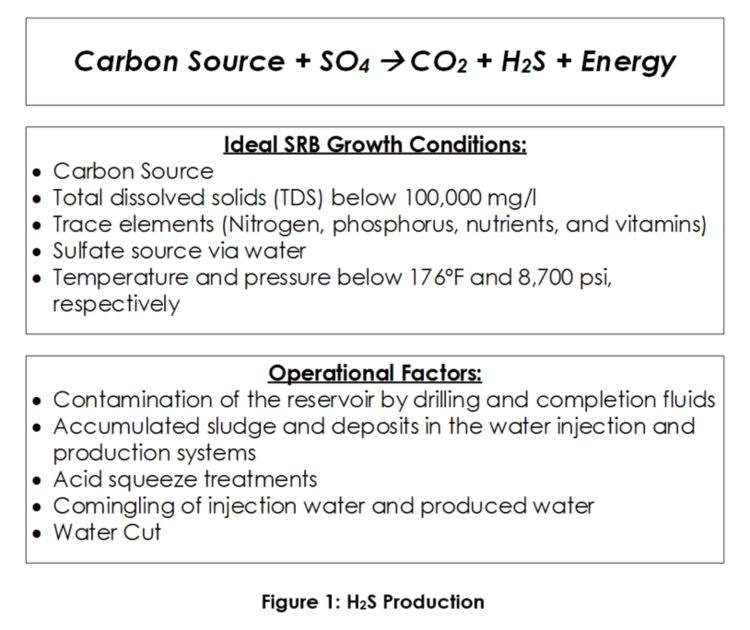
At GATE Energy, we have the technical knowledge and experience to apply our own approach to souring prediction which can enable design and operational decisions to be made to mitigate the risks associated with such H2S production.
Seawater injection is a vital tool for the economic success of some projects and those projects need to ensure that the seawater can be effectively delivered from the seawater source to the reservoir.
In Part 2 of this GATEKEEPER series, we will look at the different approaches available to assess risk in the system and will discuss the mitigation options available to us.
In determination of consequence and risk assignment, multiple aspects are considered such as the impact of failure on the health and safety of personnel and community in the impacted area, environment, cost of recovery (cleaning, maintenance, extent of operation, repairs) and business.
Oil well stimulation is commonly undertaken using aqueous solutions of hydrochloric acid (HCl), hydrofluoric acid (HF), organic acids or mixture. The use of these acids will open new channels near the wellbore region for the oil and gas flow through and will result in increased production.
In this GATEKEEPER, the philosophy around the materials selection and corrosion monitoring is discussed as the primary design barrier to corrosion and cracking in critical parts of a subsea system.
This book is an exploration of what decision theory has to say about these and other common engineering problems.
The GATE Stream-based HAZOP process avoids these pitfalls via some novel modifications to the process. You can obtain a copy of the book here.
The following material properties are important when understanding the limitations of API 5CT high strength steels: yield strength (YS), Charpy V-notch (CVN) impact energy, hardness and tempering.
This GATEKEEPER article focuses on the prediction, prevention and remediation of liquid loading, including discussion of liquid loading analysis.
The objective of this GATEKEEPER is to provide a high-level overview of the model commonly used in the industry to estimate the wax deposition.
The design and development of a viable, robust wax management strategy relies upon the economical evaluation of available management techniques.
This series of two articles discusses the diagnosis, detection and remediation of oil and gas production system blockages in detail. The current issue focuses on blockage characterization and detection.