By Brent Sherar, Eric Caldwell, Peter Ellis II, Russell Kane
This paper is Part II of a two-part series intended to narrate the history, some of which has been forgotten over time, leading up to the publication of the first Material Requirement (MR-01-75) standard prepared by NACE and its subsequent auxiliary standards. Previously, Part I described the field observations and discussed the metallurgical factors that were being investigated by the historical NACE T-1B and 1F committees to support the development a of sour service materials standard. In Part II, we focus on the rationale behind the use of accelerated laboratory test procedures designed to differentiate metallurgical behavior in sour environments. The original sulfide stress cracking (SSC) test methodologies would later be codified as a Test Method in NACE TM-01-77 (1977). A review of the historical events culminating in NACE MR-01-75 and NACE TM-01-77 provides a technical basis for the historical use of NACE Solution A (5 wt% NaCl + 0.5 wt% acetic acid) to evaluate metallurgical factors, and the origins of several common SSC NACE Test Methods still used today: Methods A (tensile), B (three-point bent beam), and C (C-ring). The accelerated laboratory test results, in combination with parallel field trials (performed in advance of the first NACE MR-01-75 publication), supported the ≤ 22 Rockwell C (22 HRC) hardness limit for carbon and low alloy steels in sour environments containing ≥ 0.05 psia H<sub>2</sub>S partial pressure. As the oil and gas industry continues to innovate and mature, it is imperative to maintain knowledge of the origins of the NACE MR-01-75 and TM-01-77 standards and their intended purposes.
So your pipe burst, your pump shaft snapped, or your welded joint split, and you need to figure out why and how to fix it. The next steps you take can make the difference between finding answers and leaving the mystery unsolved until the next failure.
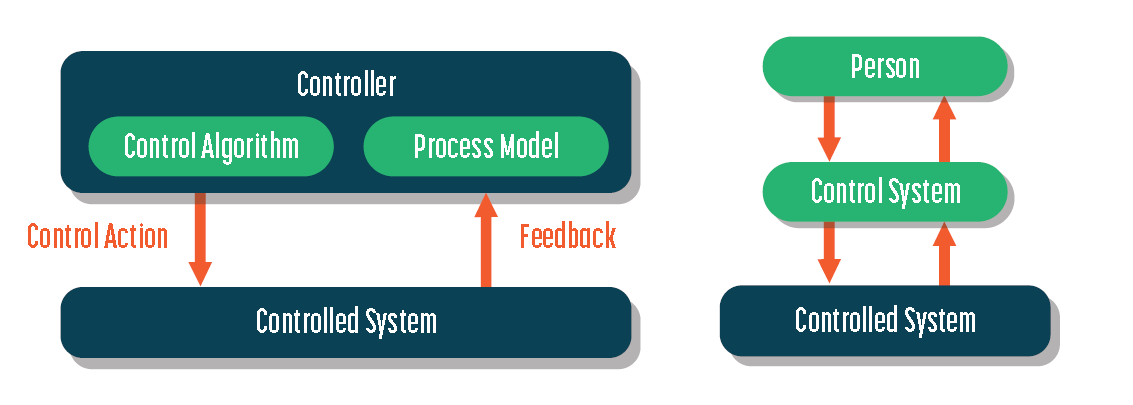
We have many options for conducting root cause analyses (RCA) including TapRooT™ and CAST/STPA. The method described here is the method developed by GATE to simplify the analysis while maintaining adequate rigor.
This paper is Part II of a two-part series intended to narrate the history, some of which has been forgotten over time, leading up to the publication of the first Material Requirement (MR-01-75) standard prepared by NACE and its subsequent auxiliary standards.
This is Part I of a two-part series intended to narrate the “lost” history leading up to the publication of the first Material Requirement (MR-01-75) standard prepared by NACE (now AMPP) and its subsequent auxiliary standards.
The recent global over supply of crude oil and soft demand has resulted in oil companies shutting wells in to prevent destroying value and to protect their balance sheets. The time frame, until production startup becomes economic, is uncertain and therefore, it is imperative that appropriate actions are taken to maintain and manage the integrity of shut-in wells and associated delivery systems.
Circuitization aims to reduce overhead inspection costs through the thoughtful break down of a system into smaller sections.
In recent years, the BSEE Safety Inspection Program section has been developing a risk-based approach to augment these inspections.
This information provides insight to aid in preventing common failures and improving industry practices to reduce incident rates in addition to saving time and money.
The building blocks of a robust inspection program are condition monitoring locations (CMLs). As defined by API 510 and API 570, CMLs are designated locations on pressure vessels or piping systems where periodic external examinations are conducted to assess condition.