
Our Work
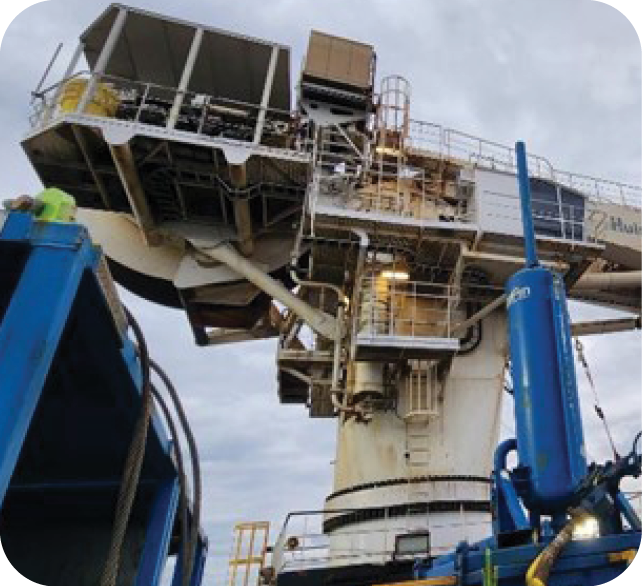
An offshore Gulf of America operator required abandonment services for an offshore asset that included both gas and oil flowlines that were nearing the end of their operational life. Each flowline was of comparable size, each approximately 6.6 inches in outer diameter (OD) and totaling about 74,000 feet in length.
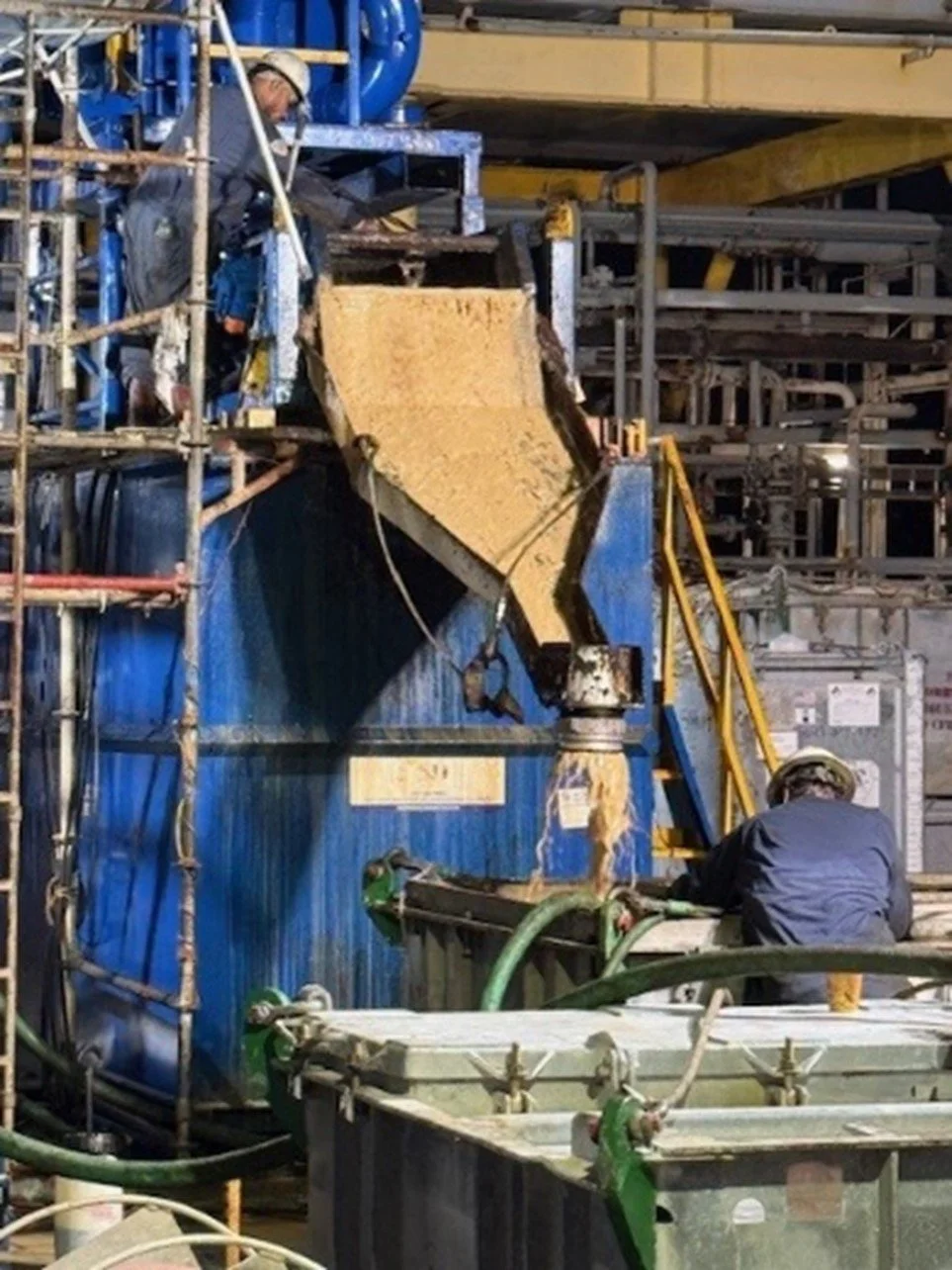
A GoM upstream operator experienced problematic pressure differentials. Over a period of time this resulted in heavy paraffin deposition and ultimately caused several pigs to become stuck in the 6” flowline. Upon an evaluation of available remediation methods, an extended reach mechanical solution was selected to remove the lodged pigs and properly remediate the paraffin deposition.
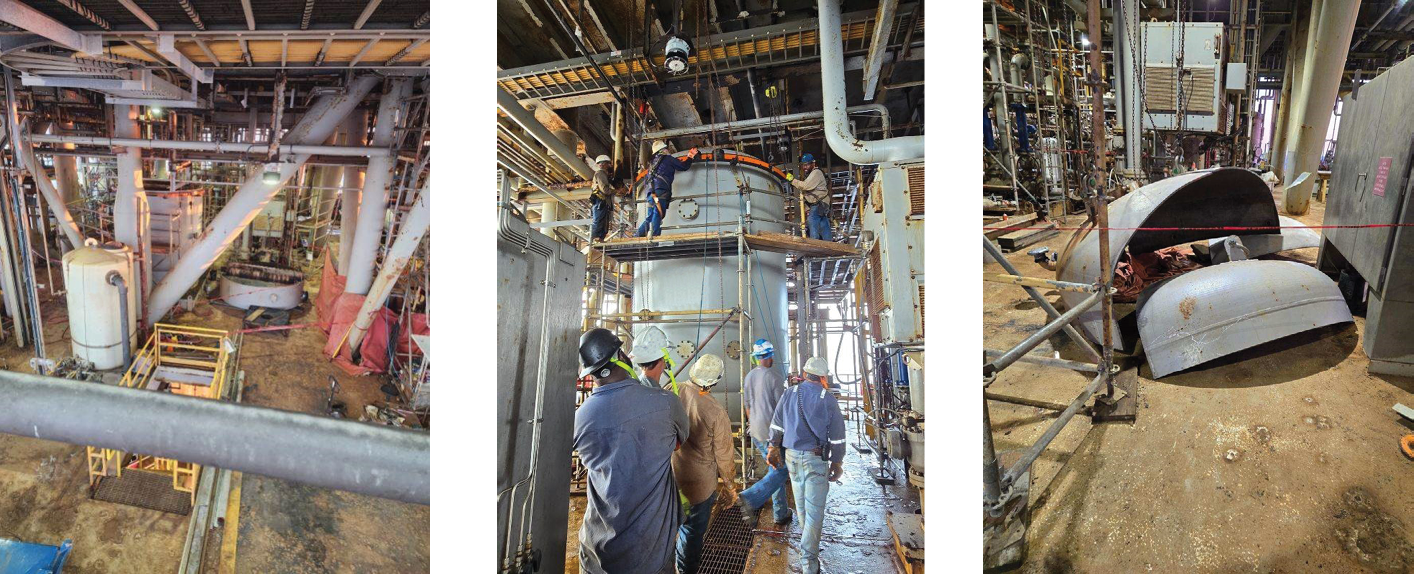
A client was removing the existing vessel to replace with a smaller and more efficient vessel. BlueFin was called to make four (4) cold cuts at different locations on the vessel for ease of removal. The vessel was located beneath an overhead deck, and about eighty (80) feet away from the handrail, which didn’t allow for crane access.

A large liquefied natural gas (LNG) producer, with multiple plants along the Gulf Coast, required standard leak testing services during the commissioning and startup phase for their newest plant.
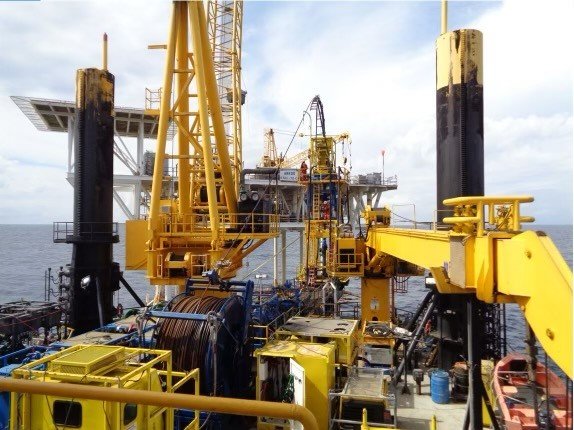
A Gulf of America operator experienced a blockage in a flowline which they suspected to be caused by recent pigging of the line. The blockage needed to be cleared before production could resume.
A mid-size upstream operator experienced progressively lower flow rates as the result of solids restrictions. Routine pigging procedures were not applicable on the produced water system, as the HDPE product pipe configuration was considered to be unpiggable with conventional methods. This liability reduced the engineering startup flow rates drastically, which initially calculated a rate to move produced water equal to or faster than the production rate. Slower flow rates impeded production and ultimately had a negative reflection for the production asset.
A GoM upstream operator engineered a pre-existing 22” gas pipeline and a pre-existing 8” oil pipeline for common use. This re-engineered scope eliminated CAPEX costs on installing a new pipeline and decommissioning costs on removing the in-service assets by utilizing in-place assets to achieve the new production requirements.
A midstream operator sought flow assurance and integrity services for a gas pipeline with blockage concerns. The unknown location and makeup of the pipeline restriction prevented the operator from performing routine pigging operations. In order to remain compliant with current regulatory standards, a sound remediation method that targeted the blockage area was required in order to successfully plan and execute a hydrostatic pressure test.
An operator of a Liquified Natural Gas (LNG) offshore loading facility required mechanical torque value verification on multiple structural assemblies in order to abide by the manufacturer’s recommended specifications and standards.
An operator of an onshore Liquefied Natural Gas (LNG) micro fuel facility sought integrated solutions from a single source contractor. Ongoing activities with multiple construction groups were working compressed schedules in order to ready the facility for a re-purposed product. Direct technical commissioning support became an value target during the early phase of project execution, as pressure testing and torque value verification for 600+ connection joints demanded specific expertise.
A Gulf of Mexico operator required a safe method to dewater a subsea pipeline upon a recent integrity test. Previous attempts to dewater the pipeline of the hydrotest medium with a foam pig proved unsuccessful. Importantly, the said pipeline was documented to contain heavy paraffin accumulation. Furthermore, the pipeline asset required an application that could mitigate the multi-diameter profile while assuring the client of a complete dewatering task. BlueFin’s casted SoliGel pig was designed to travel throughout the different pipeline diameters while mitigating flow assurance challenges and using production gas as the propelling medium.
A midstream contractor required competent, turnkey commissioning solutions in order to meet an established start-up date. The project consisted of 225 miles of 24 inch NGL pipeline in West Texas. Knowledge of pipeline integrity parameters, SIMOPS scheduling, logistical resources, and proven field personnel were critical to project award approval.
A Gulf of Mexico operator planned a well re-completion of a new reservoir and planned to use an existing flowline. Historical data determined significant paraffin deposition across the flowline. Due to well reservoir modeling analysis, the preexisting flowline warranted an aggressive but confident cleaning program to ensure that the volume capacity was realized.
A pipeline operator required a full line hydrostatic test of a 22-inch crude oil pipeline. The line would be tested in 4 segments. During initial line fill, the pig got hung up and bypassed nearly the entire line fill volume. Once the decision to move forward was made, BlueFin sourced equipment and refilled the line with an alternative water source within 3 days. One segment failed initial test. After repairs, all four segments were successfully tested using electronic data to justify pressure changes.
Startup engineering requirements specified that produced water flow rates should be equal to or faster than the production flowrate. Lesser flowrates would impede production and ultimately create problems in the production schedule and budget. After a considerable production timeline, the operator began to experience severe flow assurance issues on the produced water pipeline as the result of solids buildup.
A major midstream gas transmission company required stress corrosion cracking (SCC) integrity assessment services by hydrotesting to remain compliant with regulatory specifications. The project consisted of a single 101.9 mile pipeline with both 24 inch and 26 inch diameter pipe. Significant environmental hazards were encountered from pipeline contaminants. Additionally, unknown to the pipeline operator, the pipeline contained a significant amount of debris.
A GoM operator of a 6-inch subsea oil production flowline experienced severe paraffin blockage. The said deposition prevented a successful hydrocarbon de-inventory procedure in order to properly abandon the asset per compliance regulations. Due to insufficient pump rates, the operator faced expensive, complex subsea intervention tasks based upon routine flow assurance methods typically applied in decommissioning scopes of work.
An operator of a mini-TLP experienced flow assurance problems in a subsea oil production flowline system. Operator knowledge and production history identified the issue as a paraffin blockage. Unsure of the blockage location and remediation method, several failed attempts at pressure cycling from the subsea and platform sides resulted in a mechanical remediation need.
A GoM operator experienced problematic pressure differentials over a period of time, ultimately resulting in a completely plugged 6” flowline. Heavy paraffin solids completely plugged the flowline and prevented the transportation of liquid product. Upon an evaluation of available remediation methods, an extended reach mechanical solution was selected.
A major midstream operator required decommissioning solutions for an aged gas pipeline asset. In order to properly abandon the said infrastructure in compliance with BSEE and state regulatory departments, engineering managers determined that an inert gas medium would mitigate several risks. As important, the asset contained a large amount of residual liquid product that required safe capture and disposal.
A midstream company required a Department of Transportation (DOT) integrity assessment on a 30-inch transmission gas pipeline. In order to meet federal compliance standards for continued gas operations, the operator elected to execute a hydrostatic pressure test between an existing compressor station and a mainline valve location.
A Gulf of Mexico upstream operator required pipeline abandonment solutions for one 6 inch pipeline. The operator’s permitted Department of Interior (DOI) decommissioning obligation required a seawater flush volume equal to 110% of the internal pipeline capacity.
A major midstream gas transmission company required Stress Corrosion Cracking (SCC) integrity assessment services to remain compliant with regulatory specifications. The pipeline was installed in the 1970s and was located in an environmentally sensitive area with high stakeholder interest and visibility. Further increasing project sensitivity, the pipeline owner expected multiple ruptures during the hydrostatic pressure tests phase. In order to compensate for this risk, an extensive outage period was scheduled and communicated to all customers.
A GoM upstream operator experienced problematic pressure differentials. Over a period of time this resulted in heavy paraffin deposition and ultimately caused several pigs to become stuck in the 6” flowline. Upon an evaluation of available remediation methods, an extended reach mechanical solution was selected to remove the lodged pigs and properly remediate the paraffin deposition.
A GoM operator witnessed a leaking 6” pipeline. Upon repairing the visual leak and attempting to perform a successful hydrostatic pressure test a second non-visual leak occurred, ultimately resulting in extended production loss.
In order to perform a second assessment and bring production back online, the pipeline assessment required a 100% fluidpacked volume of seawater to ensure an oxygen-free environment.
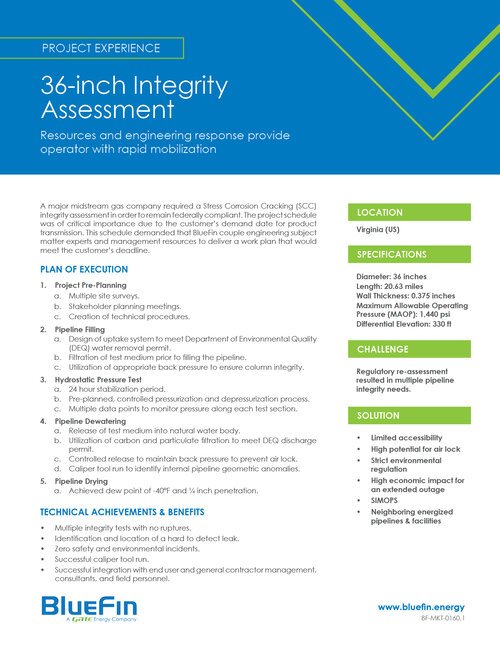
A major midstream gas company required a Stress Corrosion Cracking (SCC) integrity assessment in order to remain federally compliant. The project schedule was of critical importance due to the customer’s demand date for product transmission. This schedule demanded that BlueFin couple engineering subject matter experts and management resources to deliver a work plan that would meet the customer’s deadline.

SafeHeat® technology, custom thermal fluids, and flow assurance engineering provide total approach for plugged GoM pipeline.

Technical expertise and responsive management provide GoM operator with a successful offshore gas pipeline reinstatement.